Get started
Still unsure of the impact of Sonik?
See it for yourself and ask for your free trial

The warmest leads most B2B teams have are not on a new list. They are past prospects, lost deals and former champions already sitting in the CRM. Teams ignore them because the CRM only surfaces active deals, and because nobody knows when those contacts are worth calling again. Add a layer of buying signals on top of the CRM, and that database becomes your best call list.
Every month, sales teams buy new lists, enrich new contacts and cold call people who have never heard of them. Meanwhile, hundreds of people who already took a meeting, asked for a demo or almost signed sit untouched in the CRM.
They know your name. They know your product. Some of them liked it. And they get treated like strangers, or not called at all.
The dark pipeline is every contact in your CRM who showed real interest once, then went quiet, and who no one is working today. It is pipeline you already paid for, with no owner and no next step.
It usually hides in five places:
The fit has rarely changed. The timing has.
Pipeline views, tasks and reminders all point at open opportunities. Once a deal is marked lost or a contact goes silent, nothing brings it back to the top of the screen.
Most SDR scorecards count new accounts and new meetings. Re-working an old contact feels like going backwards, even when it is the shortest path to a meeting.
Without a trigger, the only option is a generic "just checking in". Reps know that call goes nowhere, so they skip it.
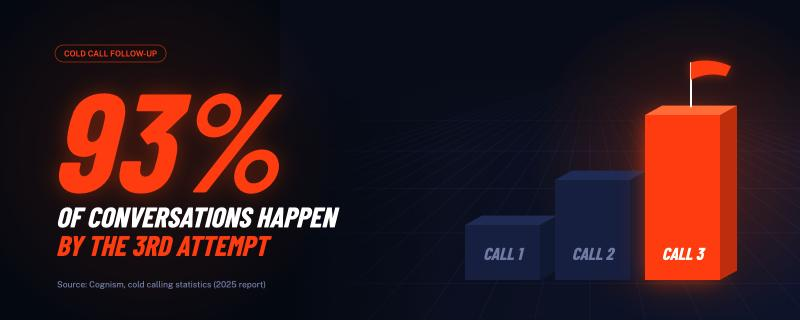
According to Cognism's cold calling statistics, 93% of conversations happen by the third call attempt. Many CRM contacts were dialled once, missed, and never tried again.
The result: the contacts most likely to take your call are the ones you call least.
Your CRM tells you who someone is and what happened last time. It does not tell you when they are worth calling again. That is the job of buying signals.
A signal turns "just checking in" into a real reason to reach out. That is the difference between a call that gets hung up on and a conversation.
You cannot call the whole database. Score each contact on three things and start at the top:
Fit + history + a fresh signal = call today. Fit + history with no signal = keep in a watch list. No fit = stop spending time on them.
Run this every week, not once a year. The list changes as signals come in.
Keep it short. Three moves:
"Hi Claire, it's Max from Sonik. We spoke in March about your outbound team. At the time the budget wasn't there. I saw you're hiring three SDRs, so I thought the question might be back on the table. Where are you on it?"
You are not closing. You are earning a conversation. For the full outreach playbook, read how to reactivate dormant leads and turn them into sales opportunities.
Track CRM reactivation as its own motion, separate from net-new prospecting. Compare the two on:
If known contacts convert better than cold lists, move more of your calling time to them.
Sonik connects to HubSpot and Salesforce and runs signals agents on your contacts: website visitors, job changes, social intent and your customers' network. For each contact, AI writes the reason to reach out. Reps then call the list with parallel dialing (up to 5 lines), and every call is transcribed back into the CRM, so the next rep knows exactly where the conversation stopped.
The CRM stops being an archive. It becomes the list you call first.
Because CRMs surface active deals, targets reward new accounts, and reps have no clear reason to call an old contact. Without a trigger, the call feels like a generic follow-up.
All the contacts in your CRM who showed real interest once, went quiet, and are not being worked today: lost deals, no-shows, unconverted demo requests and former champions.
Contacts who still fit your ICP, got far in a past sales cycle, and show a recent signal such as a website visit, a job change or new hiring.
Repeat website visits (especially pricing), a job change, posts about the problem you solve, hiring in the team you sell to, and connections to your existing customers.
Wait for a change (budget cycle, new leader, competitor contract ending), call with that change as your reason, and ask one question about where they stand now.
You don't always need more leads. You need to know which of the ones you already have are ready to talk, and to call them before someone else does.
Ready to turn your CRM into your best call list? Start your free trial.

